Learning to be single again
Updated: Sep 18

Learning to be single again is a challenge which friends, family and some of my clients have faced. It’s very easy to underestimate how painful losing or breaking up with a partner can be, even if the relationship was combustible and conflictive.
Some of those who have lost a partner don’t see anything good in being single again, and as a result, often go straight to finding someone else to fill the empty gap of being alone. Alternatively, there are many people who stay in unhappy relationships because being alone, and all the uncertainty it entails, is too frightening for them. There are definitely challenges in seeing the single state as something that could be positive or fulfilling.
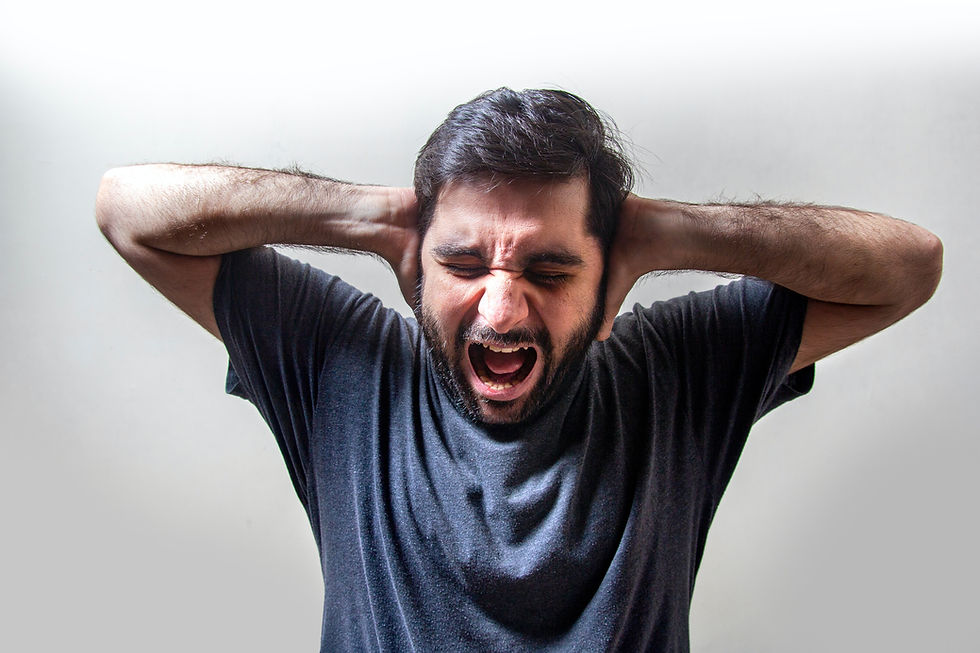
The acute pain and sadness involved in breaking up with a partner is played down by a lot of people who are the ‘bystanders’ to the actual event, and yet it should be recognised. It might not have the same impact as many other life-changing tragedies, but the emotional pain should always be recognised. There’s no shame involved in accepting the grief involved in a break up is very real, even amongst those who instigate the break up. As for those whose partners have sadly passed away, I’ve met with people who have lived under the shadow of grief and loss of this for years, sometimes even decades, finding it hard to move forward and live a life without their partner.
Our ability to adapt to single life once more can be affected by our personality types too. Those who are introverted might well have more inner resources to cope with the ensuing moments of solitude after losing a partner. I use the word ‘solitude’ deliberately because for many being alone doesn’t necessarily equate with loneliness. In fact, for an introvert being alone can be a positive experience which is peaceful and restorative, used for reflecting, downtime, meditating or creativity. Extroverts, who are refreshed by the energy of interacting and socialising with others, will certainly find adapting to the single state harder.
Even so, regardless of personality types, all of us are social beings and no matter how difficult the relationship became before it broke up, we’re still going to miss aspects of having another person to share our world with and everything that comes with relationships; the hugs, the being the significant other to someone, the intimacy and sex, the plans for the future, someone to go on holiday with, to spend weekends with, the companionship that once upon a time existed between you.
One’s sense of purpose, identity, self-belief and security can be affected after a break up. I’ve met with many women, recovering from long term relationships, whose sense of identity had been completely formed around their partner and who they were within the relationship. Starting afresh is undoubtedly tough.
There are some things which get in the way of moving forward into single life. In the aftermath of a break up, we can have very unhealthy narratives in our mind about ourselves and the broken or lost relationship. The relationship can become distorted through the prism of our emotions, and therefore preventing us healing or learning anything from the experience. It is important to challenge wrong narratives and create a balanced sense of perspective in order to make peace with the past. Cognitive Behavioural Therapy is especially good at resetting unhealthy thought patterns or challenging distorted thinking.
Practical ways of reaching closure on a finished relationship are well documented. People do so by removing photos or digital images, writing an unsent letter, going through extensive counselling, setting new goals for one’s life, making new social connections through groups that have common interests, reconnecting with old friendships and family members, learning new hobbies.
I asked someone I knew, who’d been through a break up, if he’d discovered anything positive about being single again. His view was that being single again had taught him who he really was. In a relationship there’s always got to be compromise and adjustment, he’d said, whereas being single again he was able to be truly himself. He felt that what he’d learnt from the past will enable him to be wiser in future relationships.
Prue Leith, in her lovely forthright way, comments in one of her books that ‘it seems single women are (maybe perforce?) braver and more independent than ones with partners. Many of my single elderly friends are supremely independent, doing everything they can, while they can.’
There’s hope for a fulfilling future when the work is done on ourselves. The emotions in losing a partner can be exceptionally strong and there is often a genuine grief cycle involving denial, anger, relief, shame, panic, numbness, depression, acceptance. Losing a partner doesn’t just leave behind emotional wounds; it also leaves behind unmet needs.
Undoubtedly, when a relationship has helped meet your emotional needs, it is good to do some reflection in the aftermath and see how those needs can be met outside of a relationship. Learning ways to self-soothe, establish healthy boundaries with people around you and learning to process your emotions in a way which gives you emotional independence, is going to make you a more secure and fulfilled individual in future, whether you stay single or find another partner.
With breakups, doing the work of learning what went wrong, discovering your individual needs and wants, and what your individual attachment style is, before you go into another relationship is also creating more guarantees for your future security and happiness. Equally, in the case of tragically losing a loved partner, it is acknowledging and processing the grief, as well as learning valuable coping strategies, that can enable you to not just survive but also live, and allows the possibility of joy to become a part of your life once more.
In the changed circumstances of being alone and single again, there are many ways to help with the process of healing and living a fulfilled life without a partner, and in this counselling can be invaluable tool.


Comments